
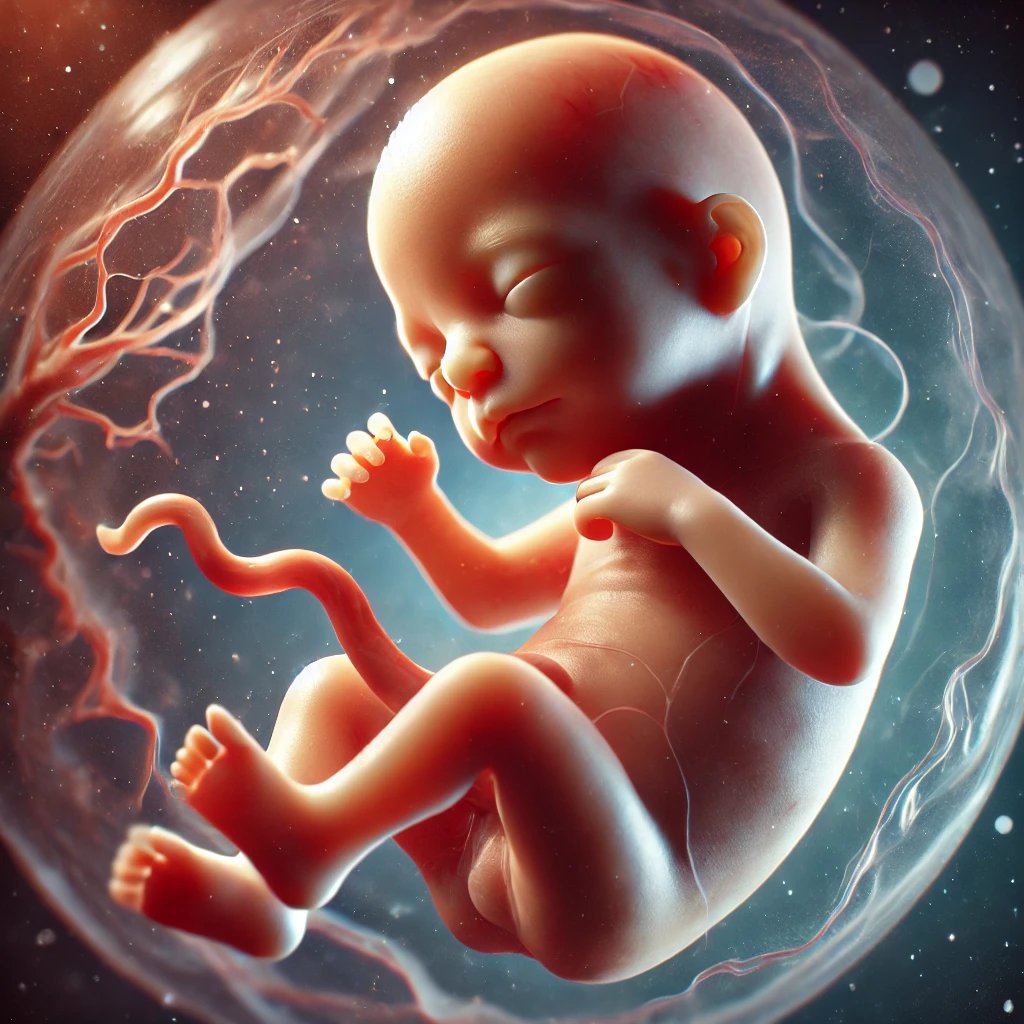
26 Weeks Pregnant: Your Baby Now Has Eyebrows and Eyelashes
- Longitude 35,6 cm sommet du crâne–talons
- Poids 760 g approximatif
- De la taille d'a lettucecomparaison indicative
- Hauteur utérine 24–28 cm du pubis au fond de l'utérus
Toutes les mesures sont approximatives : ce sont des moyennes de référence et chaque grossesse est différente. Votre médecin évalue la croissance de votre bébé lors des contrôles et des échographies.
At 26 weeks pregnant you are in the sixth month, within the second trimester. Your baby measures about 35.6 cm and weighs around 760 g. They now have eyebrows and eyelashes, and the eyes are formed although still closed. Braxton Hicks contractions, rib pain and headaches are common.
The key points of week 26
- Your baby measures about 35.6 cm and weighs around 760 g.
- They now have eyebrows and eyelashes. Their eyes are developed, but they will not open them for another couple of weeks.
- They can startle at loud noises.
- The glucose test is usually done before week 28.
How your baby is doing at week 26
Your baby measures about 35.6 cm from head to heel and weighs around 760 g, like a lettuce. These are approximate measurements that vary between babies.
Eyes
The eyes are formed, but the eyelids are still closed. They will open over the coming weeks.
Eyebrows and eyelashes
They now have full eyebrows and eyelashes.
Reactions
They can startle at a loud noise. In their lungs the air sacs are forming.
Prints and growth
They already have prints on their fingers and toes. They gain weight week by week, and in the third trimester they will do so even faster.
Your body and symptoms in week 26
As the uterus rises, you may feel pressure under your ribs and more tiredness by the end of the day.
If you feel more irritable or your mood swings, that is common. If the sadness lasts for days, mention it to your doctor.
When to call your doctor or go to the emergency room
Seek medical care immediately if you have:
- A headache that will not go away, blurred vision, flashes, or pain under your ribs on the right side.
- Sudden swelling of the face or hands, or a sharp weight gain over a few days.
- Regular or frequent contractions, a dull ache in your lower back, pressure in the pelvis or cramps like period cramps. They can be signs of preterm labor.
- Fluid leaking from the vagina.
- Vaginal bleeding.
- Fever, severe abdominal pain or burning when you pee.
In the US call 911. In other countries, go to the nearest emergency room.
Check-ups and tests at this stage
Every pregnancy is different: your doctor decides which tests you need and when.
| Check-up | When it is usually done | What for |
|---|---|---|
| Glucose test | Weeks 24-28 | Detect gestational diabetes. It can be done earlier if you have risk factors. |
| Prenatal visit | Every 4 weeks | Blood pressure, weight, fundal height and the baby's heartbeat. |
| Tdap vaccine | Weeks 27-36 | Protects the newborn from whooping cough. Recommended in every pregnancy. |
Tips for week 26
- Blood pressure: if you have a monitor at home, note the readings in your medical history and take them to your visit.
- Exercise: stay active with walks or swimming, adjusting the intensity.
- Food: include iron and calcium, and avoid too much salt and ultra-processed food.
- Preparations: look into hospitals or clinics for the birth and what each one offers.
- Insurance and paperwork: check what your health insurance covers for the birth and what documents they will ask for on admission.
- For your partner: take over the chores that mean bending down or carrying weight.
Questions for your next visit
- What were my glucose results?
- When do I have the Tdap vaccine?
- Where will I have my baby and how do I register?
Week 26 checklist
- Have the glucose test if you have not yet
- Ask about the Tdap vaccine
- Visit or look into the hospital where you will give birth
- Start washing and sorting the baby's clothes
Sources
Calculez votre date prévue d'accouchement
Découvrez de combien de semaines et de mois vous êtes enceinte et quand votre bébé naîtrait. C'est une estimation : votre médecin la confirme, normalement lors de la première échographie.
Le calcul se fait sur votre appareil : la date n'est ni envoyée ni enregistrée. On ajoute 280 jours (40 semaines) au premier jour de vos dernières règles, en ajustant l'écart si votre cycle n'est pas de 28 jours ; 266 jours à la date de conception ; et 261 ou 263 jours à un transfert d'embryon de FIV de 5 ou 3 jours. Selon l'ACOG, l'échographie du premier trimestre est la méthode la plus précise pour dater la grossesse : si votre médecin vous donne une autre date, fiez-vous à la sienne. Source : ACOG. Methods for Estimating the Due Date.
Questions fréquentes sur la semaine 26
How many months is 26 weeks pregnant?
At 26 weeks you are in the sixth month of pregnancy, near the end of the second trimester. About 14 weeks to go until your due date.
How big is a 26-week baby and how much does it weigh?
On average, about 35.6 cm from head to heel and around 760 g, like a lettuce. These are reference figures and they vary between babies.
Does the baby open their eyes at 26 weeks?
Not yet. Their eyes are formed, but the eyelids open a few weeks later, around week 28.
Can a baby be born at 26 weeks?
A baby born at week 26 is very premature and needs neonatal intensive care. With that care, many come through, although they can have complications. With any sign of preterm labor, go to the emergency room.
Is it normal to have headaches at 26 weeks?
Mild headaches can happen in pregnancy. But a severe headache that will not go away, especially with blurred vision or sudden swelling, can be a sign of pre-eclampsia and needs immediate medical attention.
When should I have the whooping cough vaccine?
The Tdap vaccine is recommended in every pregnancy, between weeks 27 and 36. That way you pass antibodies to your baby and protect them in their first months. Ask your doctor about the best time.