
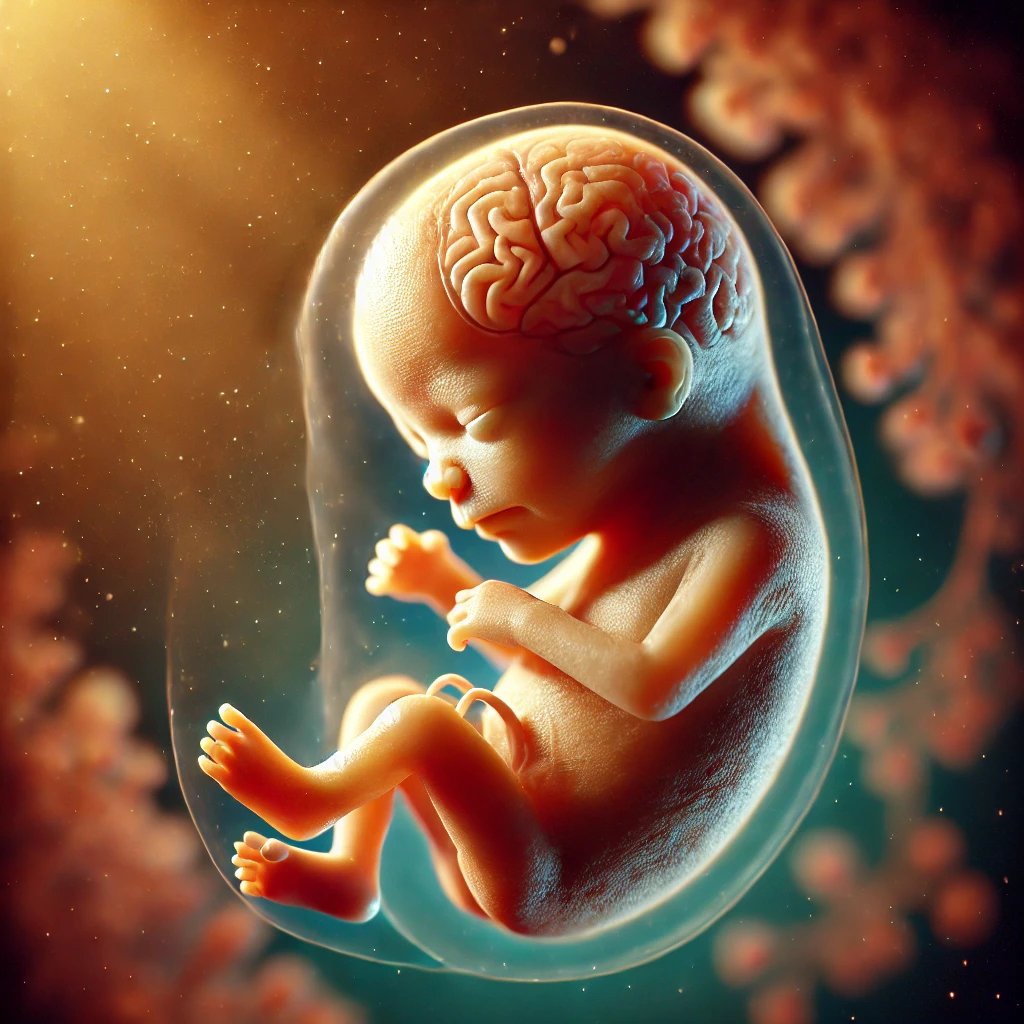
37 Weeks Pregnant: Your Baby Is Now Early Term
- Longitudine 48,6 cm vertice-tallone
- Peso 2,86 kg approssimativo
- Grande quantoa bunch of chardconfronto indicativo
- Altezza uterina 35–39 cm dal pube al fondo dell'utero
Tutte le misure sono approssimative: sono medie di riferimento e ogni gravidanza è diversa. Il tuo medico valuta la crescita del bambino durante i controlli e le ecografie.
At 37 weeks pregnant you are in the ninth month. Your baby measures about 48.6 cm and weighs around 2.86 kg. They are now considered early term: their grip is firm and their head may start to drop toward the pelvis. Pelvic pressure and practice contractions are common.
The key points of week 37
- From week 37 your baby is considered early term.
- Their head may start to drop toward the pelvis, which you feel as more pressure low down.
- Learn to tell practice contractions from labor contractions.
- Keep the bag, your documents and the plan for getting to the hospital to hand.
How your baby is doing at week 37
Your baby measures about 48.6 cm from head to heel and weighs around 2.86 kg, like a bunch of chard. These are reference averages; at the end of pregnancy healthy babies vary a great deal in weight.
Early term
Weeks 37 and 38 are called early term. Your baby is almost ready, but the remaining weeks are still useful for their brain and lungs to mature and for them to gain fat.
Firm grip
They can now squeeze hard. After birth, they will close their hand around your finger by reflex.
Dropping into the pelvis
In many women, especially in a first pregnancy, the baby's head starts to engage in the pelvis before labor. In others it happens once labor has started.
Your body and symptoms in week 37
If your baby drops, you may breathe more easily but find walking less comfortable. You may also lose your mucus plug, a thick mucus that sometimes comes with a little blood.
To come to your visit with everything in order, you can use your medical history.
When to call your doctor or go to the emergency room
Seek medical care immediately if you have:
- Regular, strong contractions: go to the hospital following the plan agreed with your doctor. Call 911 if you feel a strong urge to push or you cannot get there in time.
- Fluid leaking from the vagina, especially if it is greenish, brown or smells bad.
- Heavy vaginal bleeding, more than a little blood-streaked mucus.
- Your baby moving less than usual, or you stop feeling them.
- A severe headache, blurred vision or sudden swelling of the face and hands.
- Fever, or constant abdominal pain that does not ease between contractions.
In the US call 911. In other countries, go to the nearest emergency room.
Check-ups and tests at this stage
Every pregnancy is different: your doctor decides which tests you need and when.
| Check-up | When it is usually done | What for |
|---|---|---|
| Prenatal visit | Every week | Usually weekly from week 36: blood pressure, the baby's position, heartbeat and sometimes a check of the cervix. |
| Group B strep result | Weeks 36-37 | If it was positive, you will be given antibiotics during labor. Confirm it with your doctor. |
| Check of the baby's position | Weeks 36-37 | If your baby is breech, your doctor will explain the options for the birth. |
Tips for week 37
- Contractions: note what time each one starts and how long it lasts, to tell your doctor.
- Bag ready: check that your documents, phone charger and the baby's clothes are in it.
- Gentle movement: walking helps you feel better, unless your doctor says otherwise.
- Food: eat light meals several times a day. You can see ideas in your daily diet.
- For your partner: keep the phone charged and the car's tank full.
Questions for your next visit
- How often do my contractions need to come before I go to the hospital?
- What do I do if my waters break with no contractions?
- Is the baby engaged?
- What was my group B strep result?
Week 37 checklist
- Check the hospital bag
- Have an app or notebook to time contractions
- Get ready the outfit the baby will leave hospital in
- Arrange who will help you at home in the first weeks
- Confirm the pediatrician who will see the baby
Sources
Calcola la tua data presunta del parto
Scopri a quante settimane e mesi sei e quando nascerebbe il tuo bambino. È una stima: il tuo medico la conferma, di solito con la prima ecografia.
Il calcolo avviene sul tuo dispositivo: la data non viene inviata né salvata. Si aggiungono 280 giorni (40 settimane) al primo giorno dell'ultima mestruazione, correggendo la differenza se il tuo ciclo non è di 28 giorni; 266 giorni alla data del concepimento; e 261 o 263 giorni al transfer di un embrione di 5 o 3 giorni nella FIVET. Secondo l'ACOG, l'ecografia del primo trimestre è il metodo più preciso per datare la gravidanza: se il tuo medico ti indica un'altra data, fai riferimento alla sua. Fonte: ACOG. Methods for Estimating the Due Date.
Conta i movimenti del tuo bambino
A partire dalla settimana 28 è utile conoscere lo schema dei movimenti del tuo bambino. Scegli un momento in cui di solito è attivo, sdraiati su un fianco e conta calci, giravolte o colpetti. Molti medici usano come riferimento 10 movimenti in 2 ore. La cosa più importante è accorgerti se si muove meno del normale per lui: in tal caso, chiama subito il tuo medico.
Fonte: Cleveland Clinic. Kick Counts (riferimento ACOG).
Domande frequenti sulla settimana 37
How many months is 37 weeks pregnant?
37 weeks is the ninth month of pregnancy. You are at the end of the third trimester and about 3 weeks from your due date, which is calculated at week 40 from the first day of your last period.
Is a 37-week baby full term?
They are considered early term. Weeks 37 and 38 are early term and weeks 39 and 40 are full term. If the pregnancy is going well, the remaining weeks still help your baby mature.
How much does a 37-week baby weigh?
As a reference average, around 2.86 kg and about 48.6 cm from head to heel. These are approximate measurements: every pregnancy is different and healthy babies can weigh quite a bit more or less.
What is the mucus plug?
It is a thick mucus that seals the cervix during pregnancy. It can come away days before labor or during labor itself, sometimes with a little blood. If the bleeding is heavy, seek medical care.
How do I know if these are labor contractions?
Labor contractions become regular, closer and closer together and stronger, and do not settle with rest. Practice contractions are irregular and ease when you rest or change position. Ask your doctor how often they need to come before you go to hospital.