
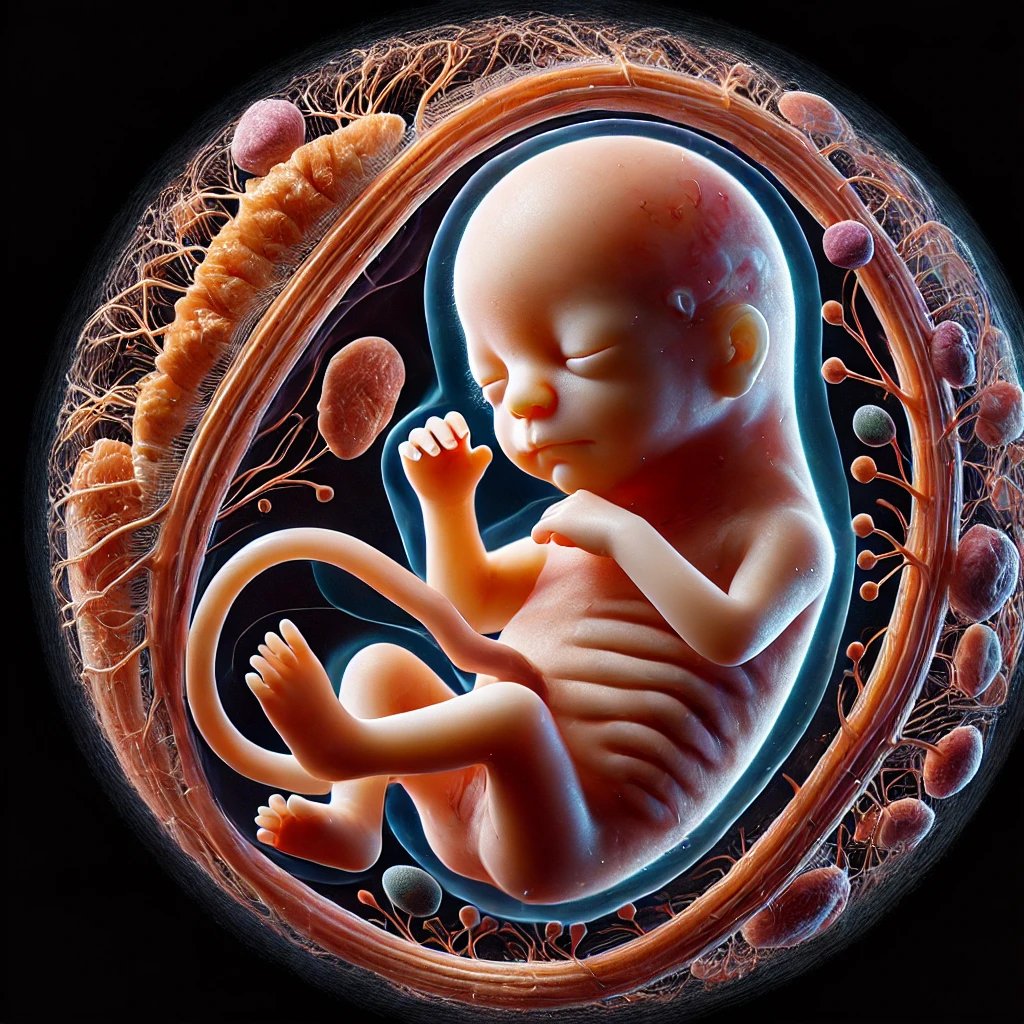
13 Weeks Pregnant: The Bones Start to Harden as the First Trimester Ends
- Längengrad 7,4 cm Scheitel-Steiß-Länge
- Gewicht 23 g ungefähr
- So groß wiea pea podgrobe Orientierung
Alle Maße sind ungefähre Werte: Es sind Referenzdurchschnitte, und jede Schwangerschaft ist anders. Dein Arzt beurteilt das Wachstum deines Babys bei den Kontrollen und Ultraschalluntersuchungen.
At 13 weeks pregnant you finish the third month and the first trimester. Your baby measures about 7.4 cm and weighs around 23 g, like a pea pod. The bones of the skull and of the arms and legs start to harden and the skin is still thin. Many women notice more energy and less nausea.
The key points of week 13
- Week 13 is the last week of the first trimester.
- Your baby measures about 7.4 cm from head to bottom and weighs around 23 g.
- The long bones and the bones of the skull start to harden.
- Many women get their energy back in these weeks, although every pregnancy is different.
How your baby is doing at week 13
Your baby measures about 7.4 cm from head to bottom and weighs around 23 g, roughly like a pea pod. These are average measurements that can vary from pregnancy to pregnancy.
Firmer bones
The bones of the skull and the long bones of the arms and legs start to harden. This process carries on throughout pregnancy and after birth.
Thin skin
Your baby's skin is still thin and almost see-through, which is why the blood vessels show. Later on fat will build up and the skin will become more opaque.
A body that lengthens
Until now the head took up almost half the body. From this stage the body grows faster and the proportions gradually even out.
Your body and symptoms in week 13
Closing the first trimester usually brings relief: nausea eases in many women and tiredness improves. Your uterus keeps growing upward and the bump may start to show.
Your feelings change too: it is common to feel relief, excitement and some worry all at once. All of that is normal.
When to call your doctor or go to the emergency room
Seek medical care immediately if you have:
- Vaginal bleeding or clots coming out.
- Severe abdominal pain or cramps that will not settle.
- Fever, or burning and pain when you pee.
- Vomiting that stops you keeping fluids down.
- Fluid leaking from the vagina.
In the US call 911. In other countries, go to the nearest emergency room.
Check-ups and tests at this stage
Every pregnancy is different: your doctor decides which tests you need and when.
| Check-up | When it is usually done | What for |
|---|---|---|
| Prenatal visit | Every 4 weeks | Check your blood pressure, your weight and listen to the baby's heartbeat. |
| First-trimester screening | Weeks 11-14 | If you have not had it and you want it, you still can. It is optional. |
| Test review | First visits | Go through your blood and urine results with your doctor. |
Tips for week 13
- Food: include iron-rich foods such as lean meat, pulses and leafy greens, together with fruit high in vitamin C. See daily diet ideas.
- Weight: how much weight to gain depends on your weight before pregnancy. Ask your doctor what your target is.
- Activity: if you have more energy, start or pick up moderate exercise such as walking or swimming.
- Work: find out about your rights and your maternity leave.
- For your partner: start talking about how you will organize the coming months: costs, space at home and support after the birth.
Questions for your next visit
- How did the first-trimester screening come back?
- How much weight should I gain in total?
- What exercise do you recommend in the second trimester?
- When do I have the anomaly scan?
Week 13 checklist
- Collect or discuss your screening results if you had it.
- Book the anomaly scan, usually done between weeks 18 and 22.
- Find out about your maternity leave at work.
- Note your symptoms in your medical history.
- Start a small budget for the baby's things.
Sources
Berechne deinen errechneten Geburtstermin
Finde heraus, in welcher Woche und in welchem Monat du bist und wann dein Baby zur Welt käme. Das ist eine Schätzung: Dein Arzt bestätigt sie, normalerweise beim ersten Ultraschall.
Die Berechnung erfolgt auf deinem Gerät: Das Datum wird weder gesendet noch gespeichert. Zum ersten Tag deiner letzten Periode werden 280 Tage (40 Wochen) addiert, wobei der Unterschied angepasst wird, wenn dein Zyklus nicht 28 Tage lang ist; zum Empfängnisdatum 266 Tage; und zu einem IVF-Embryotransfer von 5 oder 3 Tagen 261 bzw. 263 Tage. Laut ACOG ist der Ultraschall im ersten Trimester die genaueste Methode, die Schwangerschaft zu datieren: Wenn dein Arzt dir ein anderes Datum nennt, richte dich nach seinem. Quelle: ACOG. Methods for Estimating the Due Date.
Häufige Fragen zur 13. Woche
How many months is 13 weeks pregnant?
13 weeks of pregnancy is the end of the third month. This week closes the first trimester; from week 14 the second trimester begins.
How big is a 13-week baby?
On average, about 7.4 cm from head to bottom and around 23 g, roughly like a pea pod. These are reference figures; your doctor assesses growth at the ultrasound.
Is week 13 the first or the second trimester?
Week 13 is the last week of the first trimester. The second trimester runs from week 14 to week 27, and the third from week 28 until the birth.
Does the risk of loss drop after week 13?
Yes. Most pregnancy losses happen in the first trimester, which is why the risk falls once you are past this stage. Even so, any bleeding or severe pain should be discussed with your doctor.
Is it normal to have more energy at 13 weeks?
Yes. Many women notice less nausea and more energy at the end of the first trimester. Others stay tired for a few more weeks. Both are normal.
Weiter auf Boy or Girl
Medizinische Prüfung
Arzt · Facharzt für Gynäkologie und Geburtshilfe
Profil und Qualifikationen ansehen →